
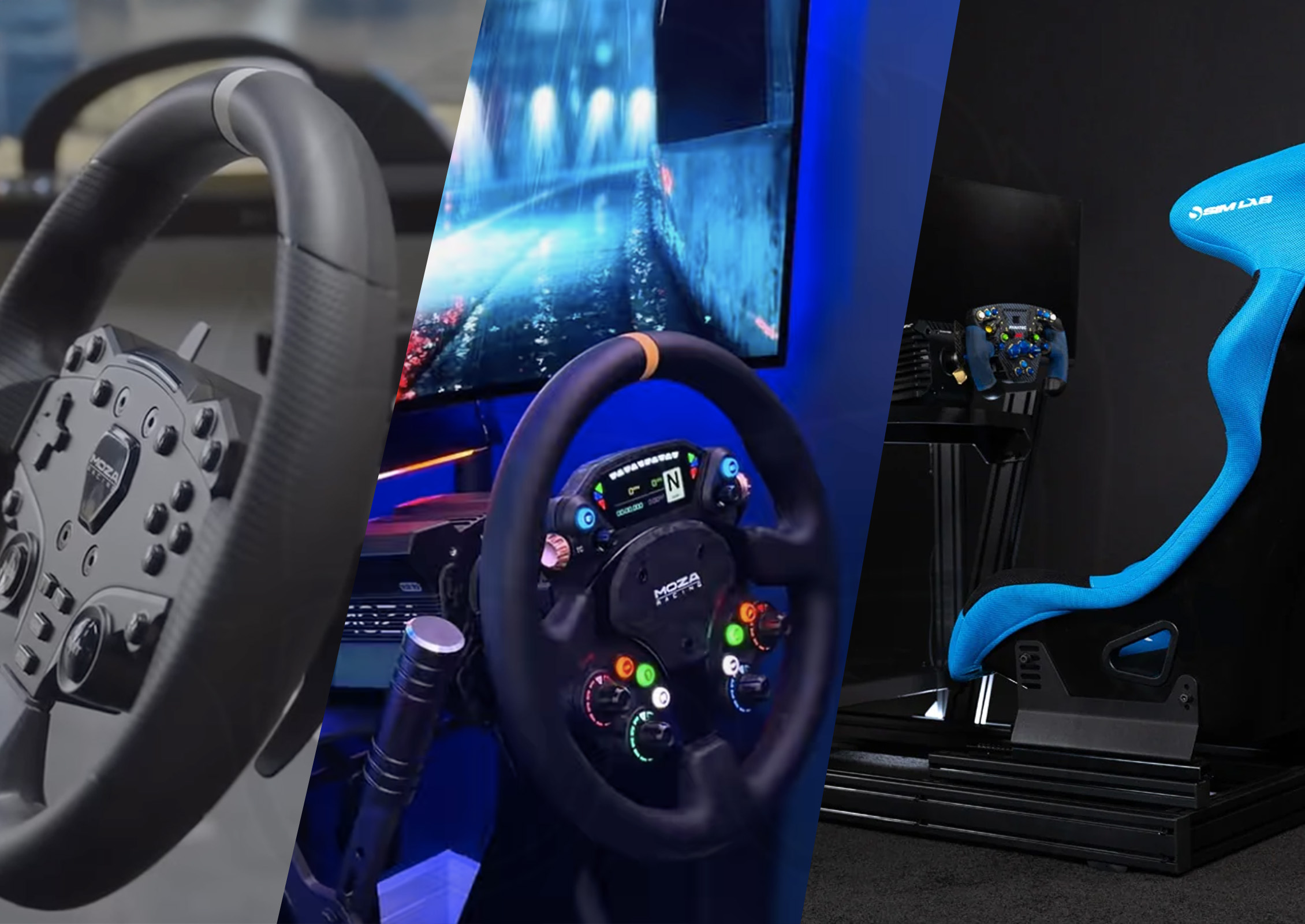

500, 1,000, or 2,000 euros: the difference between these three budgets isn’t just about having a more powerful engine, a better steering wheel, or more features. At each price point, there’s one key element that truly changes the driving experience.
So I’ll show you what I’d prioritize for each budget, with specific configurations and approximate prices.
For €500, you’re mainly getting the Direct Drive
This is the only level where the benefit comes from the sensations themselves—and it’s enormous. Switching from a belt- or gear-driven system to Direct Drive means removing all the intermediaries between the motor and your hands.
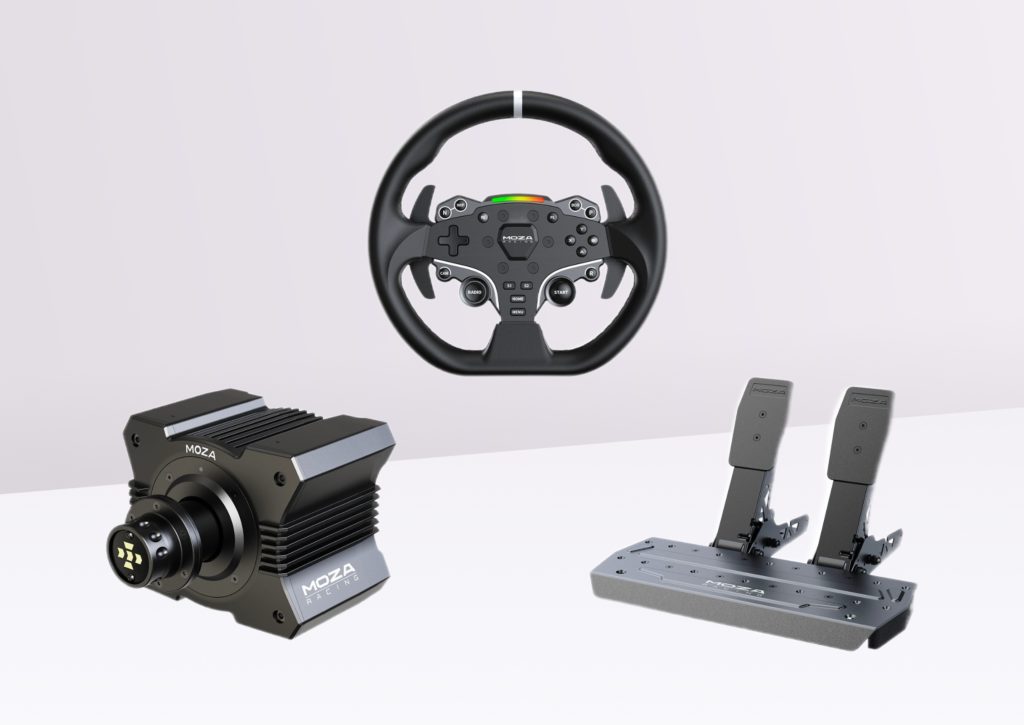
- The complete package: the Moza R5 Bundle for €399.95, which includes a 5.5 nm base, an 11-inch ES steering wheel, the SR-P Lite pedal set, and the desk mount.
The bundle is complete, and there’s still €100 left for games. At this price, this is the setup I would definitely recommend for a PC.
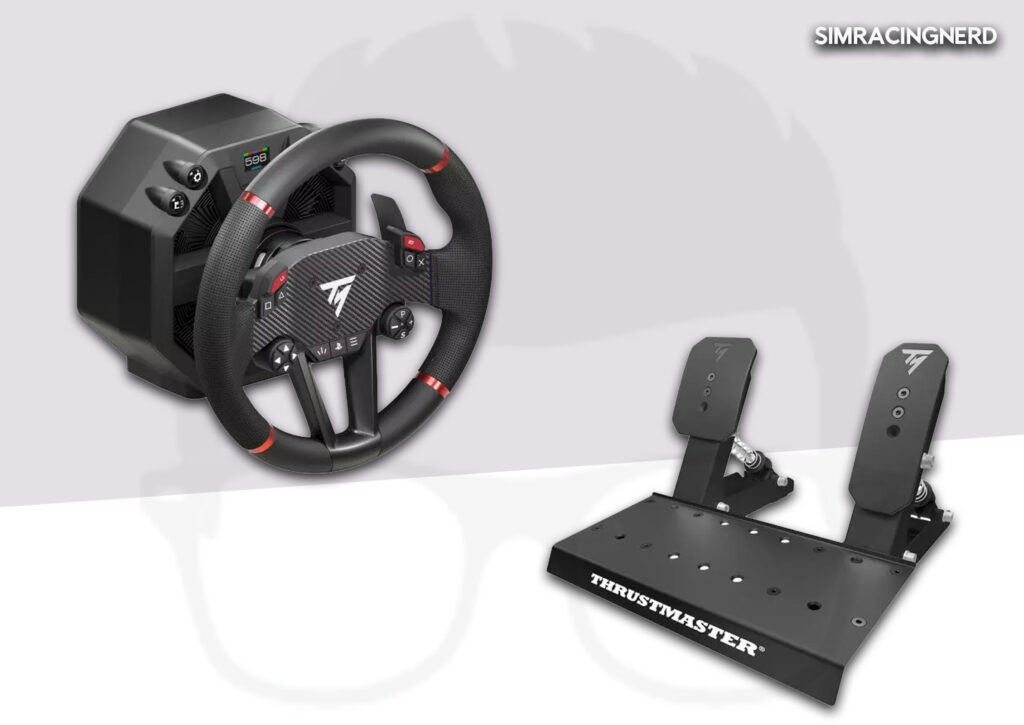
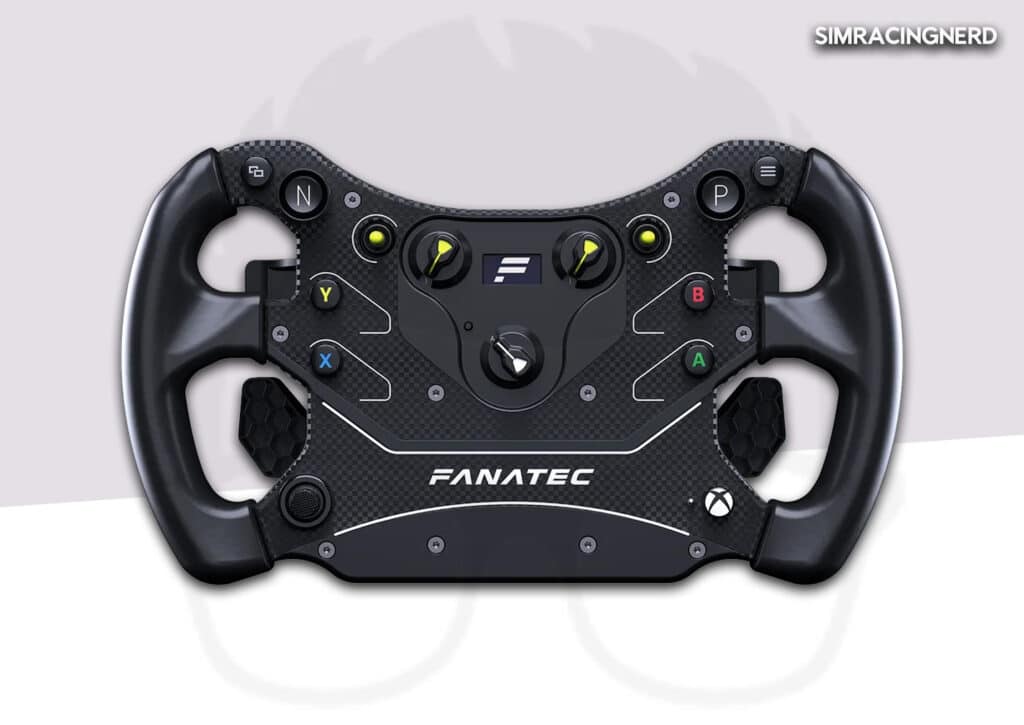
On console, there are two options: the Fanatec CSL DD QR2 Ready2Race GT3 for around €459.95 for Xbox Series, and the Thrustmaster T598 at €499.95 for PS5, which is Sony’s only true Direct Drive entry-level option.
In all three cases, the weak point remains the braking system: the included pedal assemblies operate primarily based on pedal travel, rather than pressure like a load-cell pedal assembly. This is precisely the component you can prioritize for improvement in the next step.
For €1,000, you get the brakes
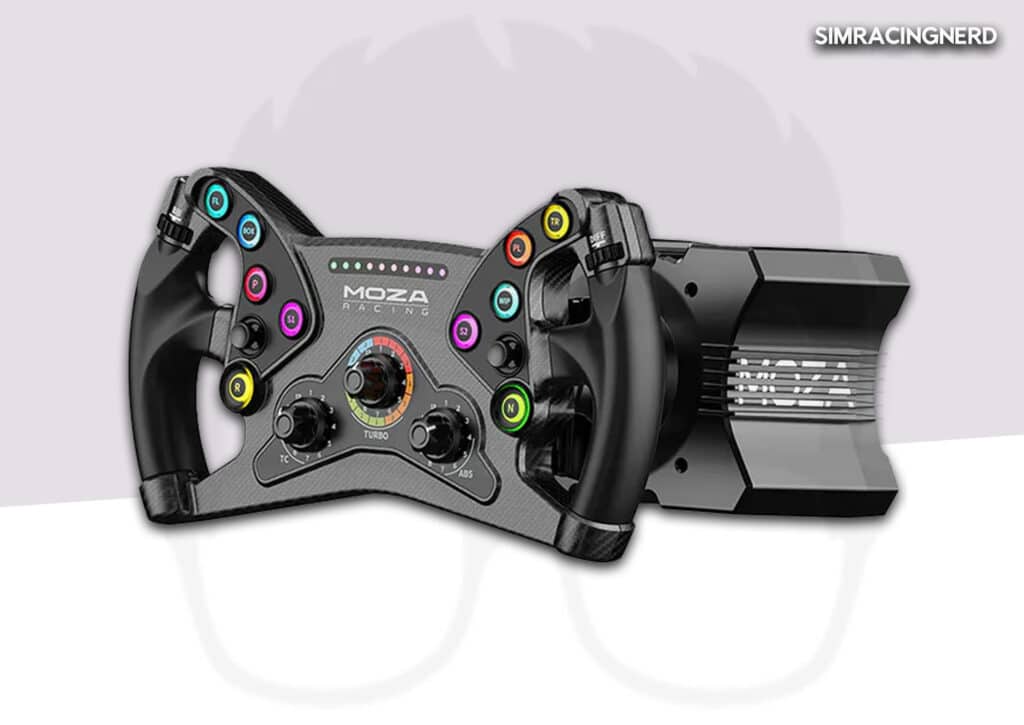
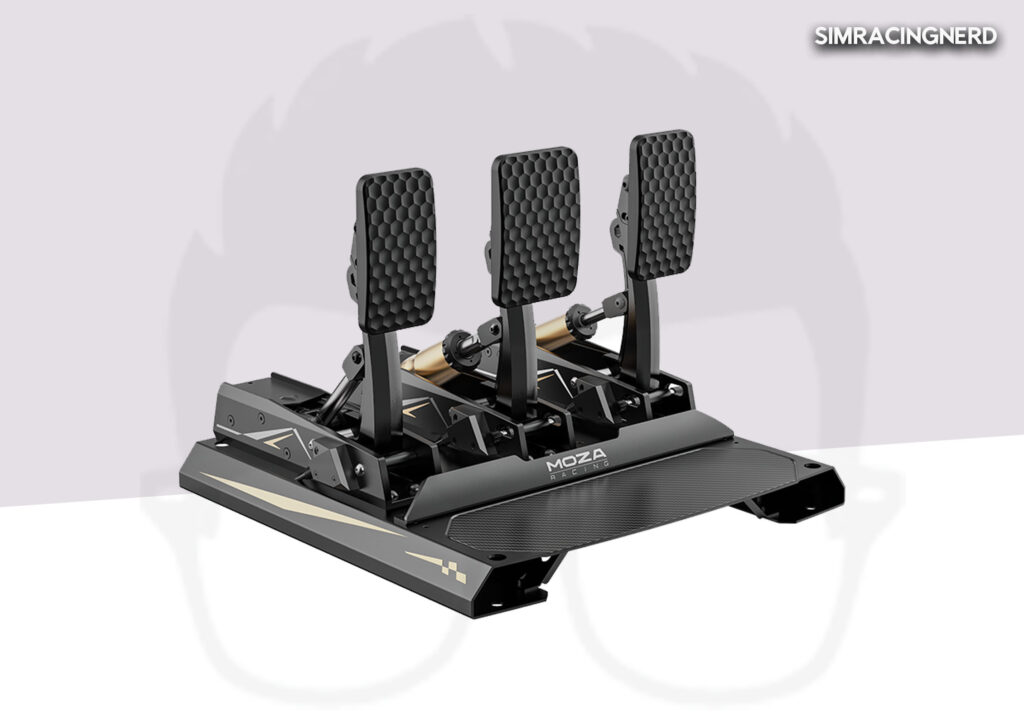
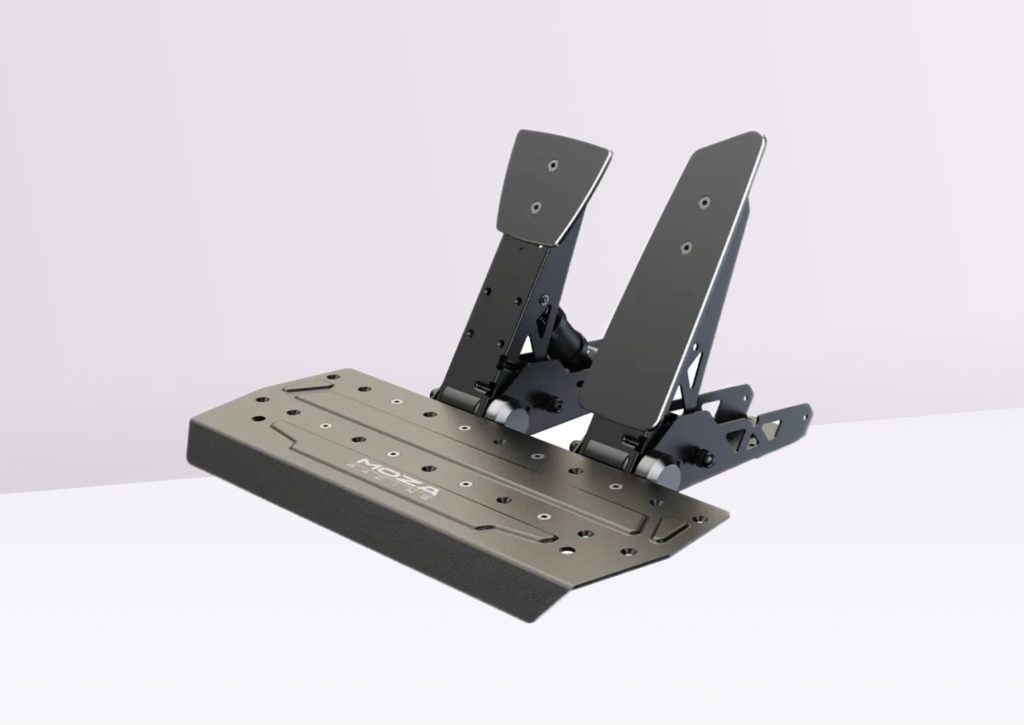
For €1,000, you’re mainly getting better braking performance. The increase from 5.5 to 9 Nm is significant: it provides more headroom for force feedback and preserves more detail when forces become substantial. But the improvement is still less significant than that provided by a load cell. That’s why I prefer an R9 properly equipped with a good pedal set over a more powerful base model with entry-level pedals.
That’s also why I prefer the Moza R9 V3 + KS + CRP2. The R9 offers enough power for the vast majority of uses without breaking the bank, the KS provides a more complete steering wheel than the one in the R5 Bundle, and the CRP2, above all, represents a major leap in quality with its load-cell braking. The result is a cohesive package where no single component really holds the others back.
- Base: Moza R9 V3, 9 Nm, €349.95
- The steering wheel: Moza KS, €249.95
- The pedals: Moza CRP2, 200 kg load cell, three pedals, and machined aluminum frame, €449.95
The total comes to €1,049, not even counting the desk clamp at €54.95. For a setup of this quality, I think going slightly over the stated budget is more than justified. If you’d still like to lower the total cost, the Moza SR-P at €139.95 lets you keep the load cell while significantly reducing the price. You can then replace the pedals without having to change the base or the steering wheel.
So I’d stick with the desk setup for now. A foldable cockpit can offer more comfort and stability, but it doesn’t fundamentally change the driving experience. The load cell, on the other hand, really changes the way you brake.
At €1,000, my goal is simple: to have a sufficiently powerful base unit, a good steering wheel, and, above all, true load-cell braking. The cockpit can wait until I reach the €2,000 price point.
For €2,000, you get stiffness and a good riding position
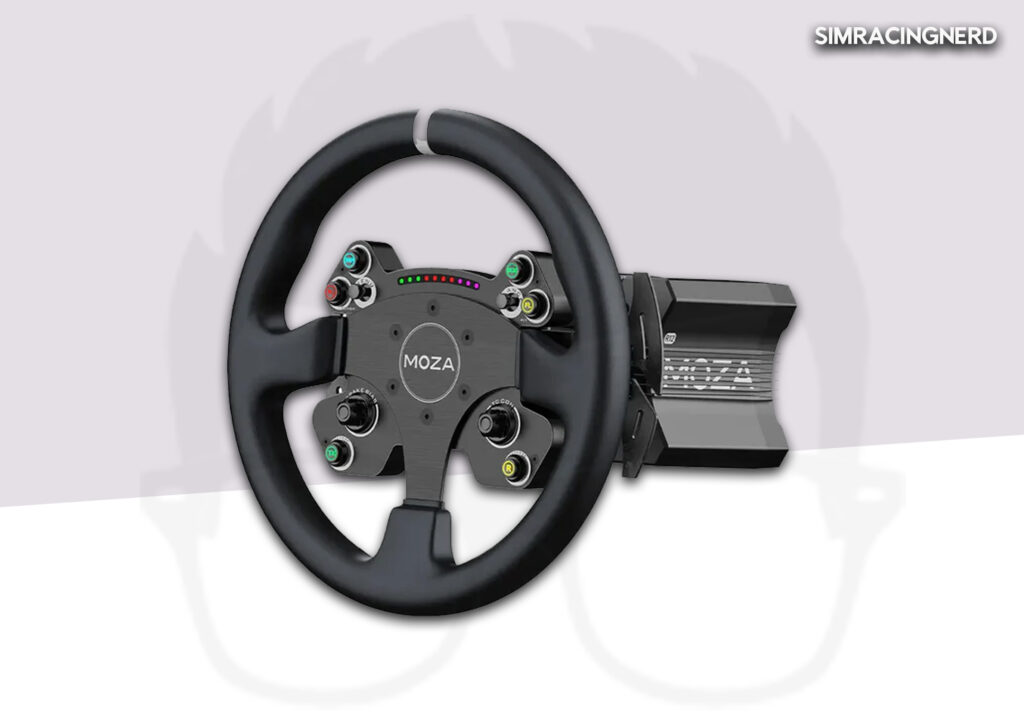
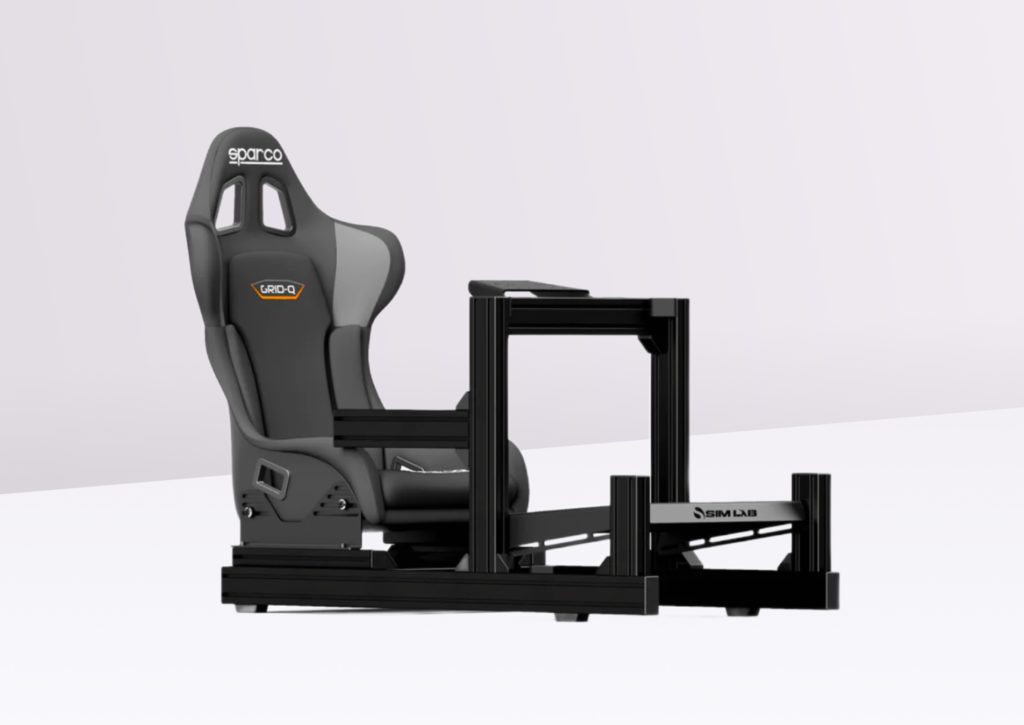
For €2,000, you’re mainly getting rigidity and a good playing position. The extra power over the base model becomes secondary: once you already have a sufficiently powerful Direct Drive and a load cell, the biggest improvement comes from the structure that holds the whole thing together.
I’m opting for a Moza ecosystem here to maintain consistency among the components. The R12 V2 delivers 12 Nm, which is a comfortable improvement over the R9 without having to resort to much more expensive bases. The CS V2P falls within the same price range and allows you to save part of your budget for the cockpit, which is precisely the priority at this level.
- The base: Moza R12 V2, 12 Nm, ranging from €460 to €550 depending on the retailer
- The steering wheel: Moza CS V2P, €249.95
- Pedals: Moza CRP2, €449.95
- The chassis: Sim-Lab GT1 EVO, starting at €379
- The seat: a bucket seat, costing between €200 and €250, which is almost never included with the frame
Why the GT1 EVO? Because at this price point, I prefer a cockpit made of aluminum profiles that’s sufficiently rigid rather than a more spectacular model that forces me to sacrifice the rest of the setup. The GT1 EVO offers a solid, upgradeable foundation, while leaving enough budget for the seat and other components.
The total comes to about €1,800, depending on the price of the R12 and the seat. It may seem like a lot to invest in the chassis and the seat, but that’s precisely the point of this tier: a rigid base on a structure that’s too flexible negates some of the precision you’ve just paid for.
If you need to reduce the cost even further, focus on reducing the base rather than the frame. An R9 mounted on a rigid, properly adjusted profile frame seems more appropriate to me than an R12 installed on a support that’s too flexible.
The Three Most Costly Mistakes
Focus on torque instead of braking. This is one of the most common mistakes. Given the same budget, investing more in the pedals will generally have a greater impact than upgrading to a slightly more powerful engine.
Buy the frame last. Many riders build their setup piece by piece and save the cockpit for last, treating it as nothing more than a support structure. As a result, they sometimes end up riding for years on a frame that’s too flexible and conclude that their bike lacks precision.
Forget about the PC and monitor. None of the budgets listed above include them. If you’re starting from scratch, also set aside a substantial budget for the computer and monitor: a €500 setup on a PC capable of running ACC or iRacing smoothly will always be better than a €1,000 setup on a machine that struggles. And don’t forget the iRacing subscription, which is an additional expense.
So, what’s the budget?
€500 if you’re new to sim racing or if you just want to have some fun without spending a lot of money. You’ll already notice a world of difference compared to a gamepad, and a higher-end setup isn’t necessarily worth it if you mainly play Forza Horizon or The Crew.
€1,000 if you want to improve, race in a league, or start seriously learning the circuits. That’s the budget I recommend to almost everyone who asks me this question, precisely because that’s the price point where the load-cell crankset comes into play.
€2,000 if you’re already riding seriously and want to upgrade to a full setup, with a rigid cockpit and a fixed riding position. This is the point where I think it really makes sense to invest in the structure rather than continuing to chase more power. If you don’t plan on installing a cockpit, I’d recommend sticking to around €1,000 and saving the rest to upgrade your setup later.
0 Comments